

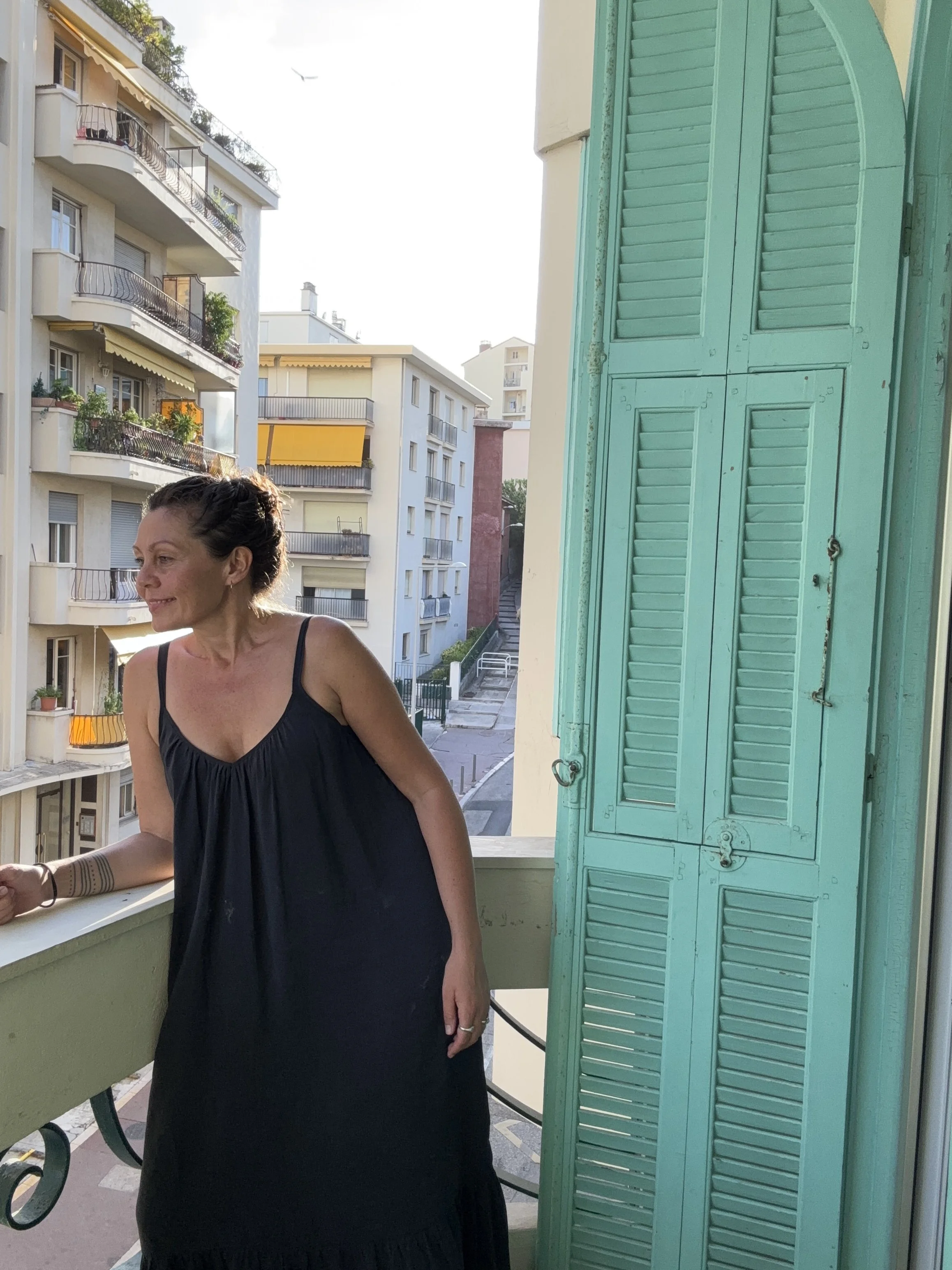
Breathwork & Travel…. Purpose & Passion
I’ve never owned a car. Never owned a house. Never built the family that was handed to me as the blueprint.
Instead I was gifted with an insatiable love of travel. For me, travel and Breathwork give me access to the same things….
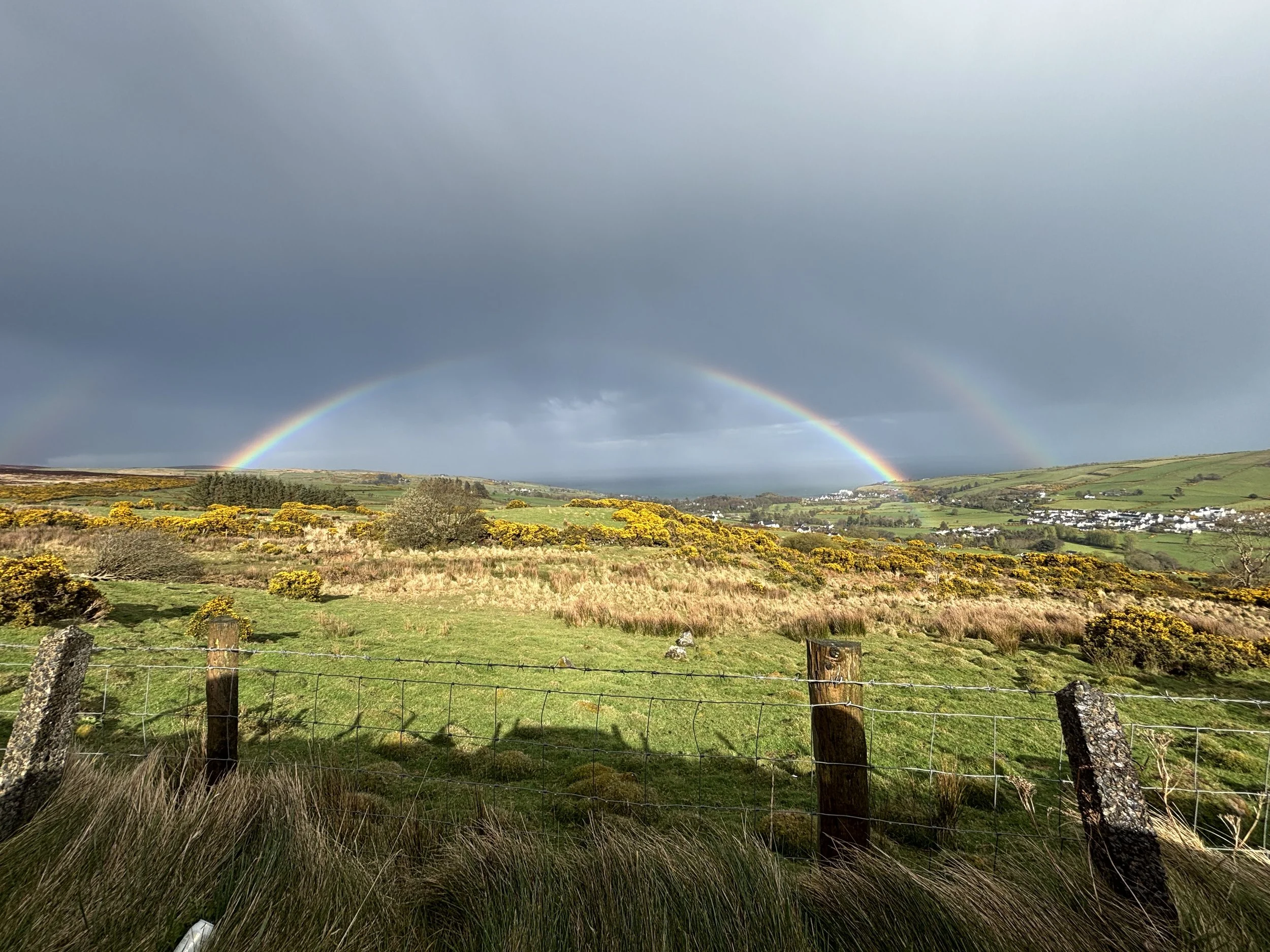
An Ancestral Healing Journey To Ireland
During my own Breathwork journeys over the years, I started to see that many of the things holding me back were not entirely my own. They were older than me. Wounds, beliefs, ways of surviving that had been passed down, quietly and invisibly, through generations in my family. With that came compassion …..for the choices they made. For the ways they coped, endured, and survived. What I had once seen as brokenness, I began to recognise as resilience. What I had judged, I started to understand. They carried what they had to carry, which meant that I could be here.
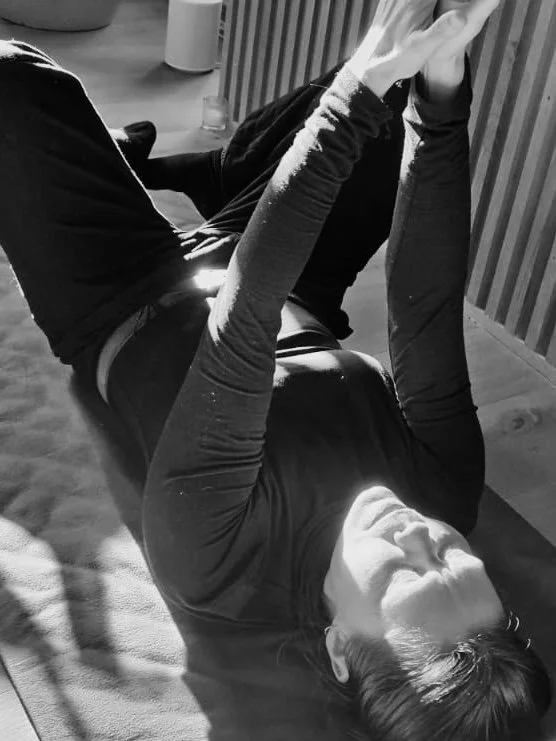
Dependency & Self Regulation
Through the lens of attachment, it started to make sense. When we don’t learn how to feel safe, soothed, or regulated as children, we grow up looking for that safety in others because it was never demonstrated to us by secure and stable adults.
Children don’t come into this world knowing how to self-regulate. It is learned from parents and care givers through demonstration and consistency.
If that wasn’t available to us, we attach, we adapt, we reach…trying to recreate the sense of stability we weren’t able to build in our early years.
Breathwork changed that.
It showed me the tension I was holding, the fear, the quiet urge to reach outside of myself. I saw how often I abandoned myself in an attempt not to be abandoned by others.
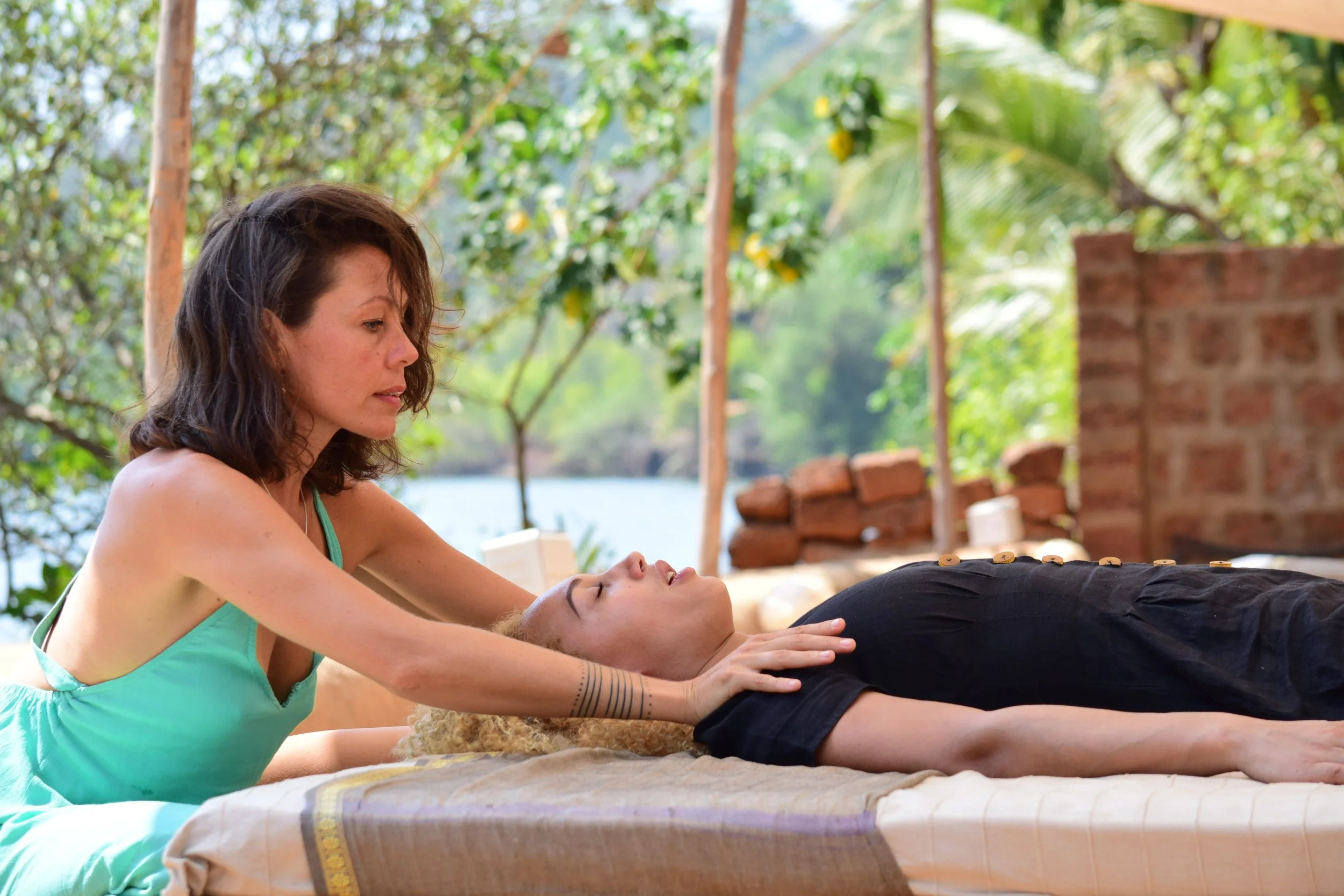
Why Working With a Qualified Breathwork Practitioner Matters (More Than You Think)
A qualified breathwork practitioner understands that every nervous system is different.
Some people arrive already anxious, overwhelmed, or in a state of chronic stress (often referred to as functional freeze).
In these cases, intensity isn’t always the answer.
A well-trained practitioner will know how to:
Read subtle cues in the body
Adjust the pace of a session in real time
Offer grounding when needed
Work in a trauma-informed, responsive way
In other words, they’re not just guiding breath.
They’re holding you.
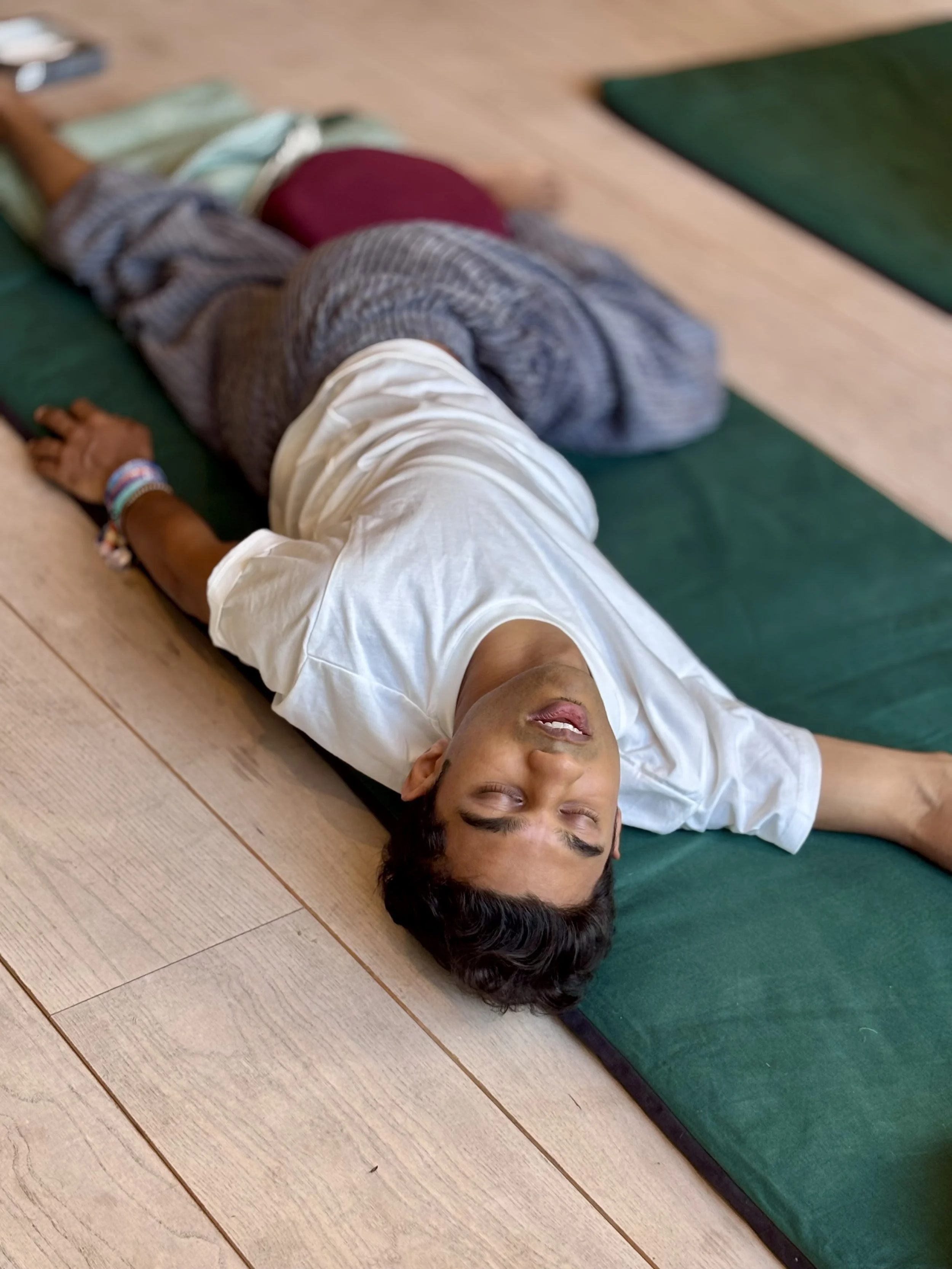
Somatic Coaching: A Gentle Yet Deep Approach to Healing
Somatic coaching offers a different entry point.
Rather than focusing solely on conversation or cognitive understanding, this work gently brings awareness to the body, where experience is actually held.
Through guided attention to:
Sensation
Breath
Subtle nervous system responses
The body is given space to process and release what has remained unresolved.
There is no force.
No pressure to revisit or relive.
Only a precise and attuned approach that allows change to happen at the level it was created.
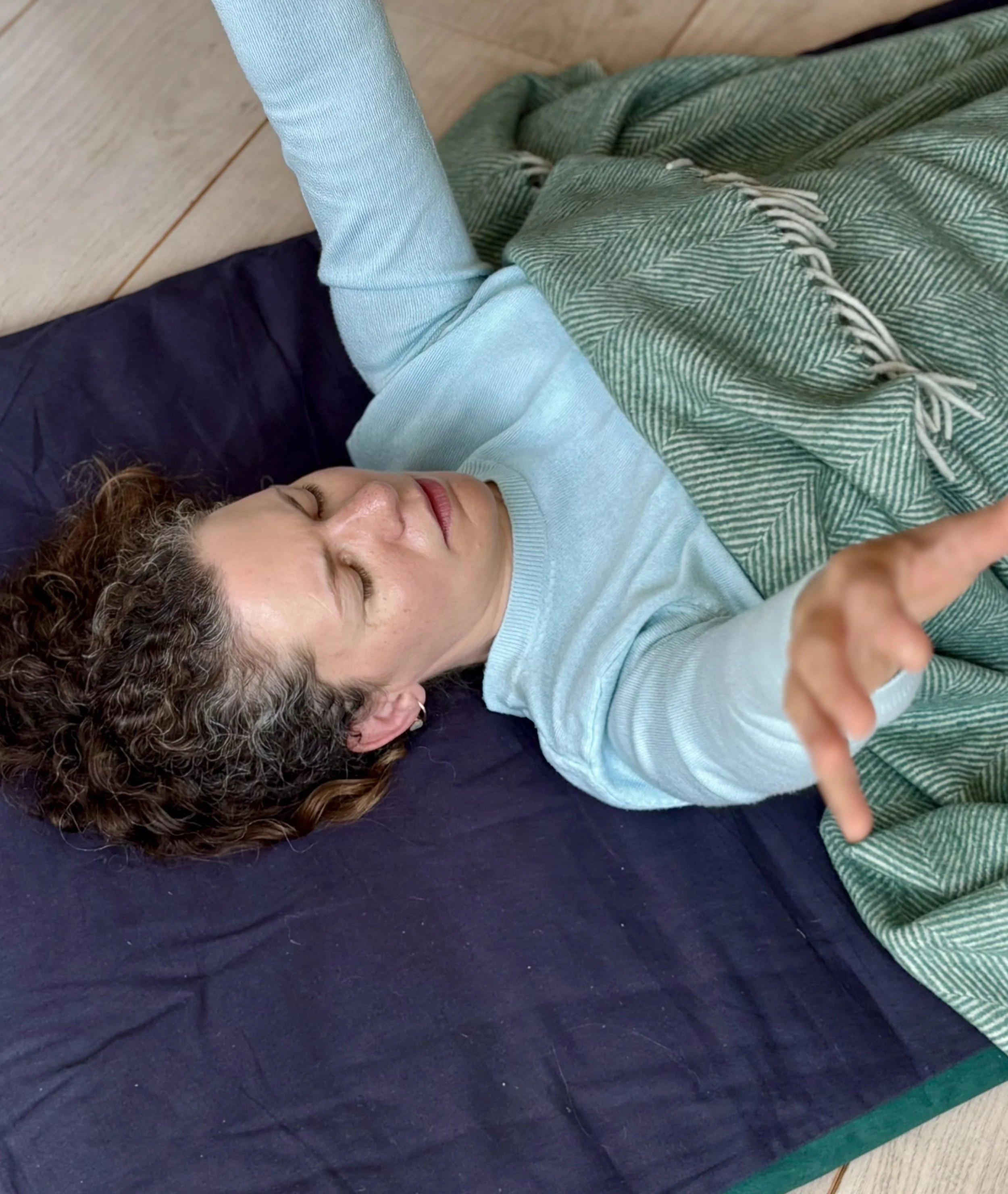
Gentle Breathwork for Nervous System Regulation: A Refined Approach to Sustainable Transformation
Gentle Breathwork for Nervous System Regulation: A Refined Approach to Sustainable Transformation.
When the nervous system is already activated, when the body feels tense, wired, or quietly overwhelmed, the last thing it needs is more pressure.
This is where a more refined, intentional approach to breathwork becomes essential.
Rather than trying to change your state, fix your emotions, or push through discomfort, this work begins from a different place:
Meeting yourself exactly where you are.
Finding Gratitude Within Our Grief
Dad battled with severe depression, alcoholism, violent outbursts, suspected schizophrenia, religious paranoia and suicidal tendencies. He spent some of our childhood going in and out of psychiatric units. My father was probably the most terrifying person I have ever encountered.
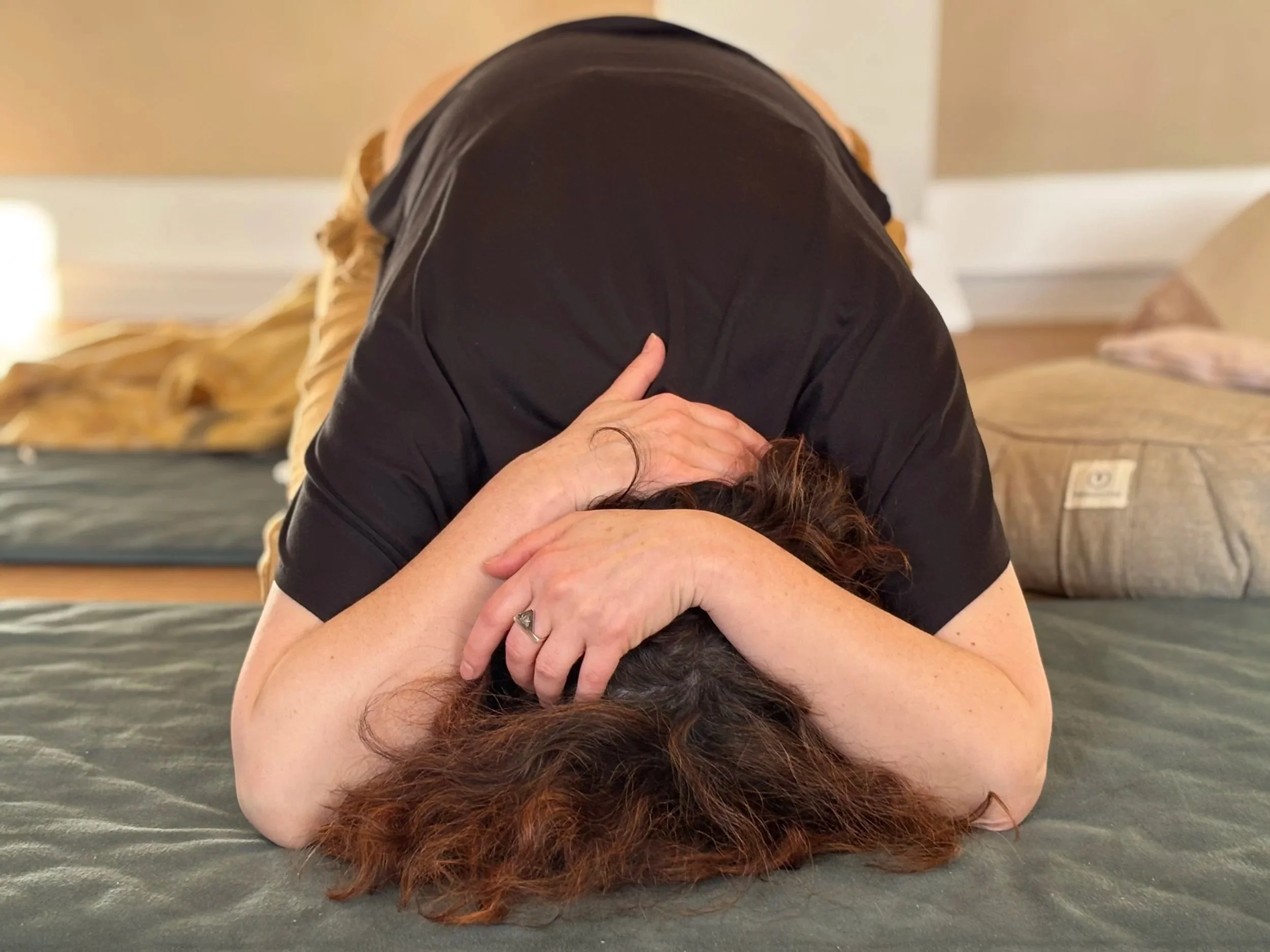
Safety & Trauma Integration
Feeling safe is imperative when it comes to Integration. The feeling of safety is an internal experience, that must be felt. It is sensed through the heart rate, respiration rate, muscular tissue, perspiration, breath, and nervous system.